Hardware 8 min read
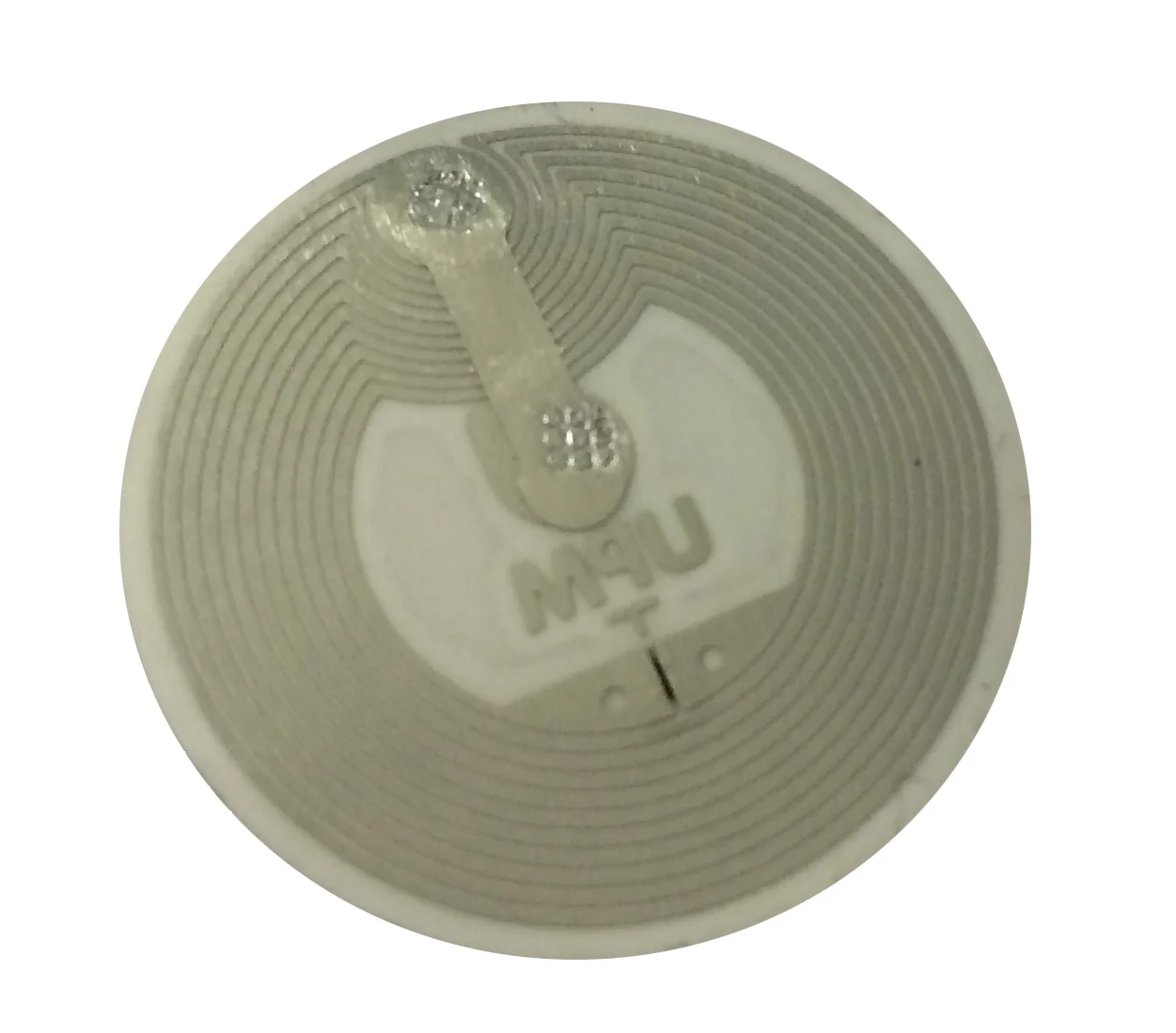
The Contactless Card That Borrows Power
A plastic card can answer a reader without carrying a battery. A small antenna and a short-lived exchange explain how.
 The technology edition
Follow signals, materials and tradeoffs through the devices we use.
A plastic card can answer a reader without carrying a battery. A small antenna and a short-lived exchange explain how.
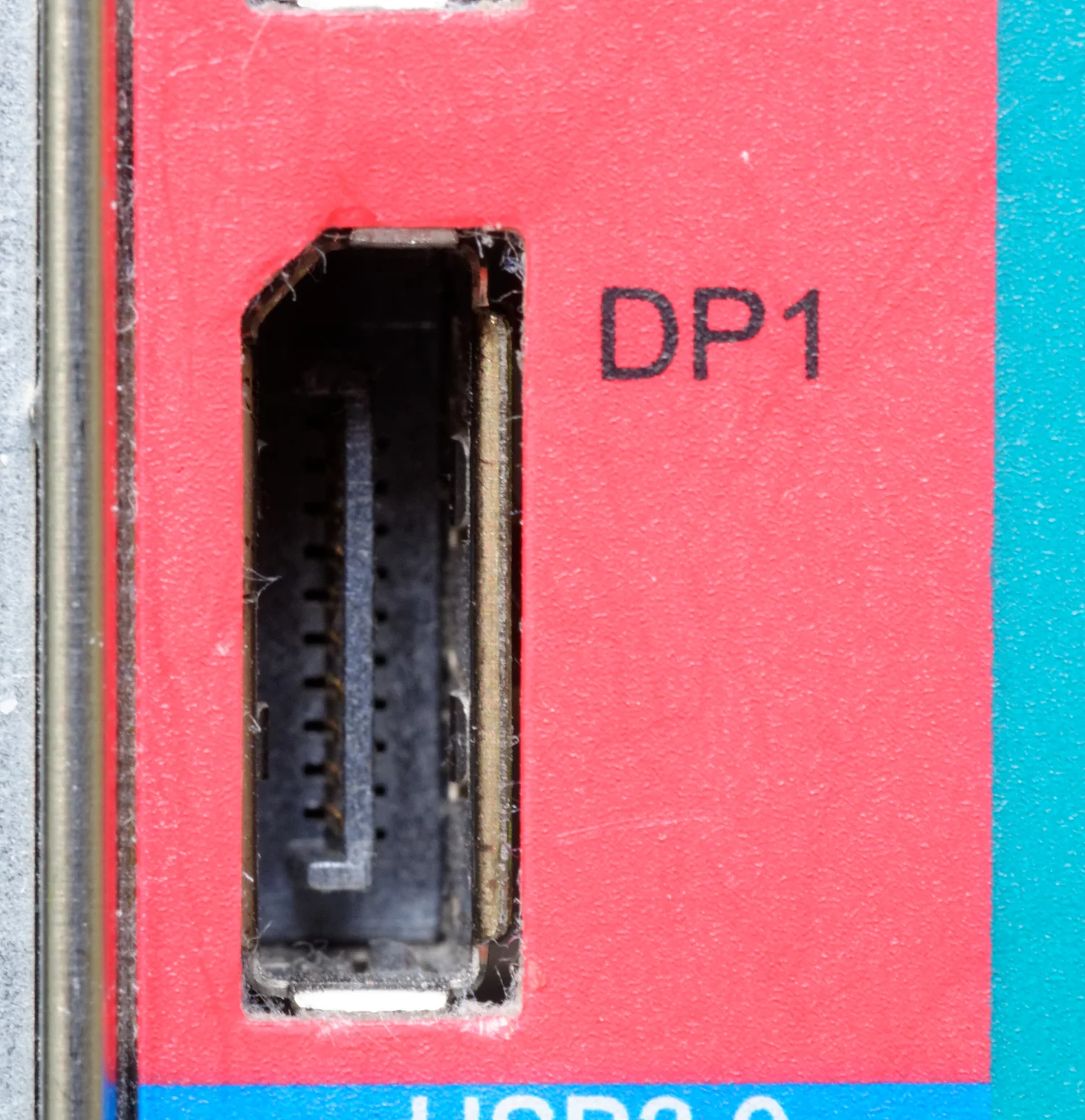
Before a computer can choose a picture format, it needs to know what the screen can accept. A little block of display information makes that exchange possible.
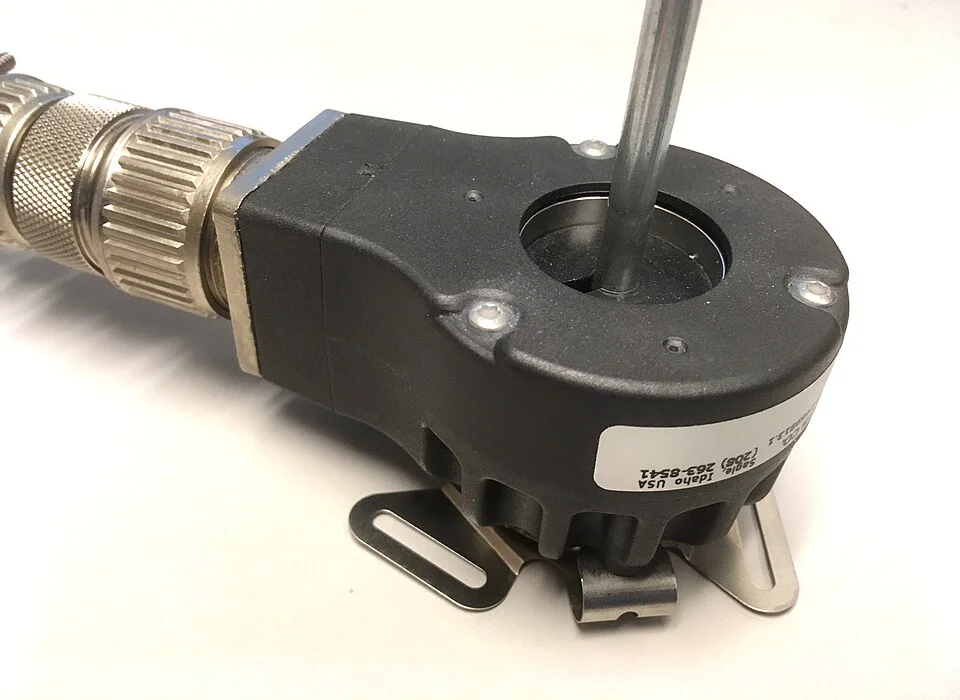
A stream of pulses can say that a shaft moved without saying which way it went. Two offset signals turn the order of their changes into a direction.
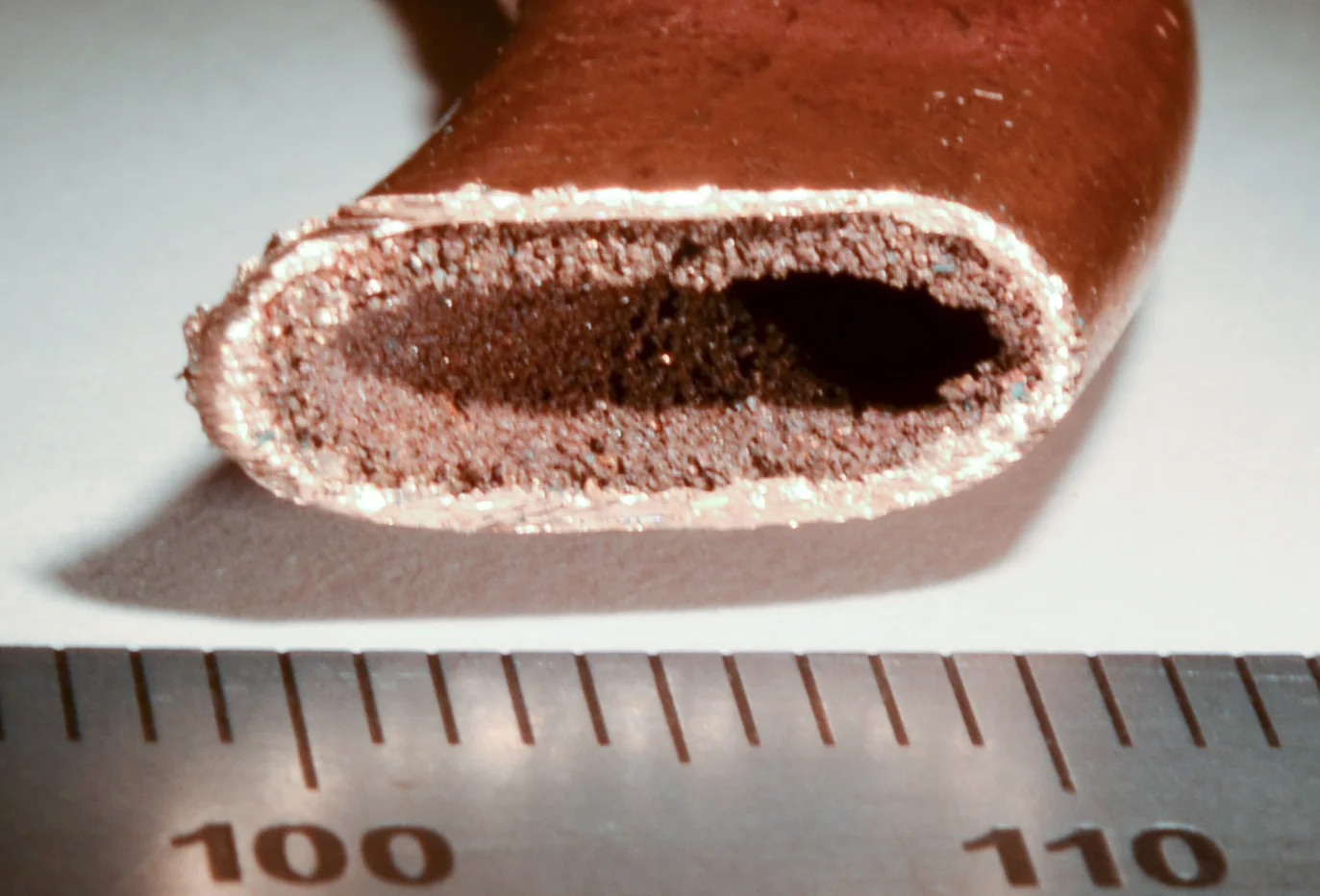
A cut end shows a hollow centre and a porous inner layer. Inside an intact pipe, evaporation and condensation move energy toward the fins while liquid finds its way back.
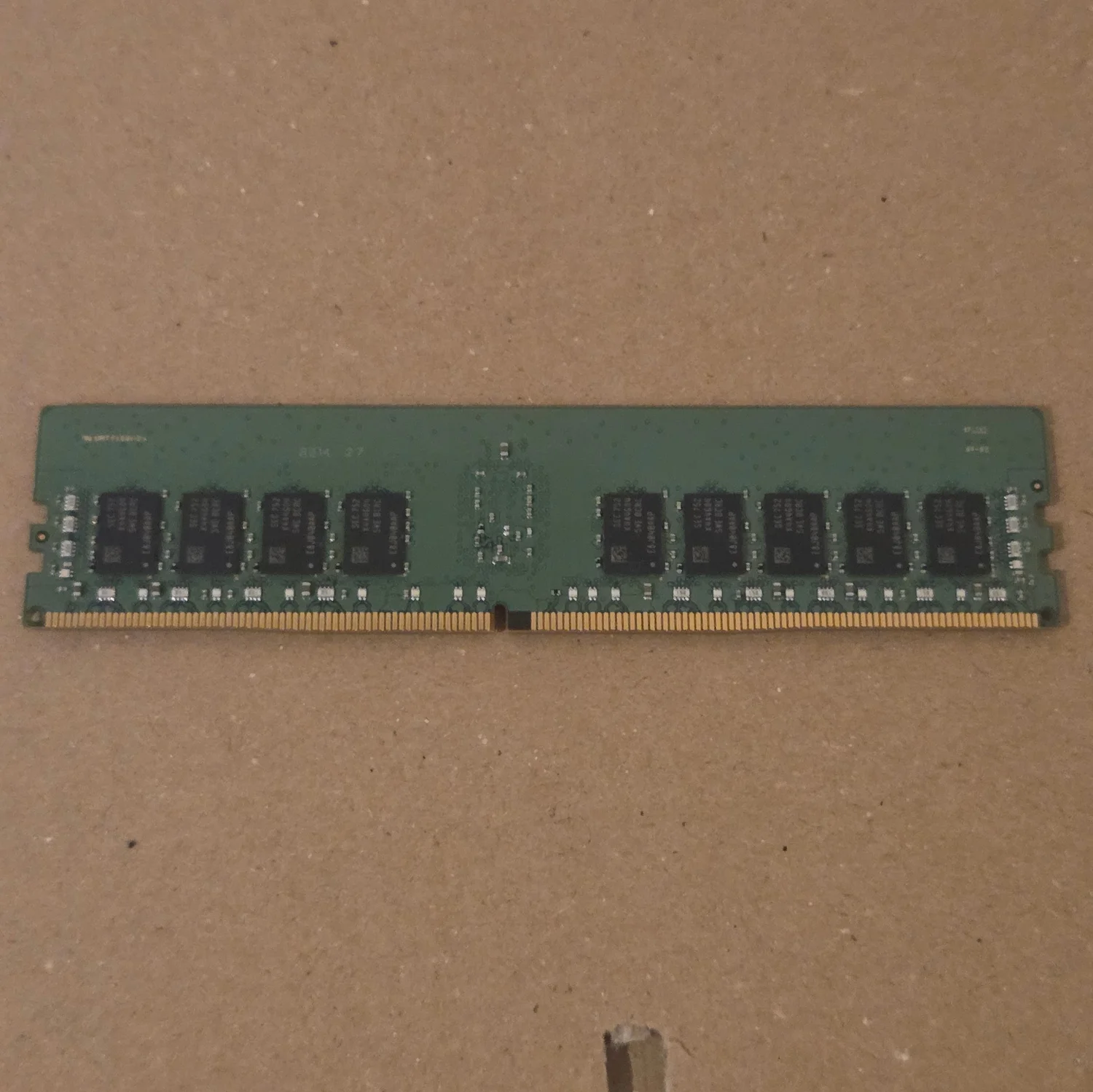
A memory controller can infer which bit changed by comparing several checks over the same data. The extra bits let it correct some errors, signal others and recognize the limits of what it knows.
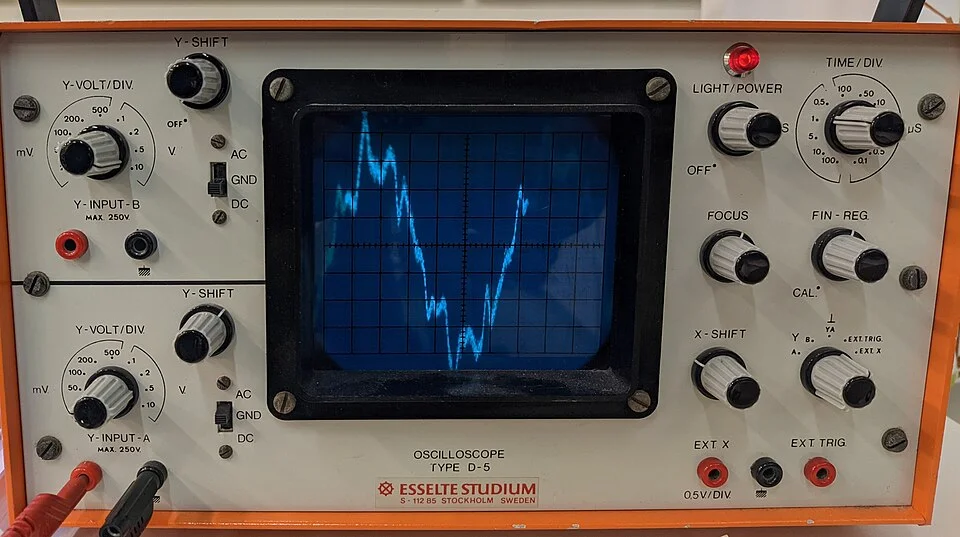
The signal entering an oscilloscope keeps changing even when the trace looks fixed. A trigger gives each view the same reference point and helps catch events that only happen once.
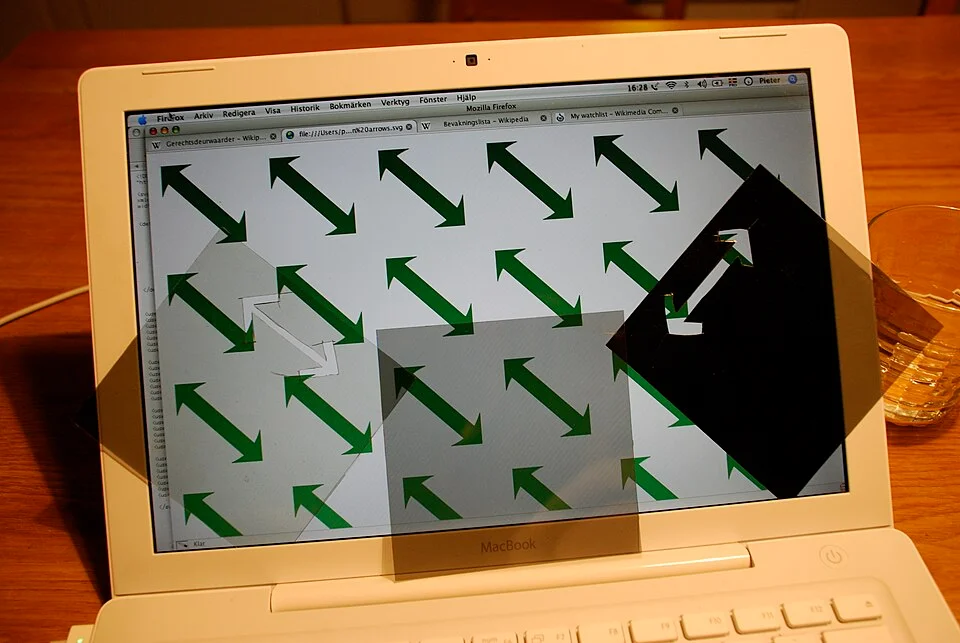
Turn a polarizing lens in front of a liquid crystal display and a bright image can nearly disappear. The experiment reveals what an LCD does to light before it reaches your eyes.
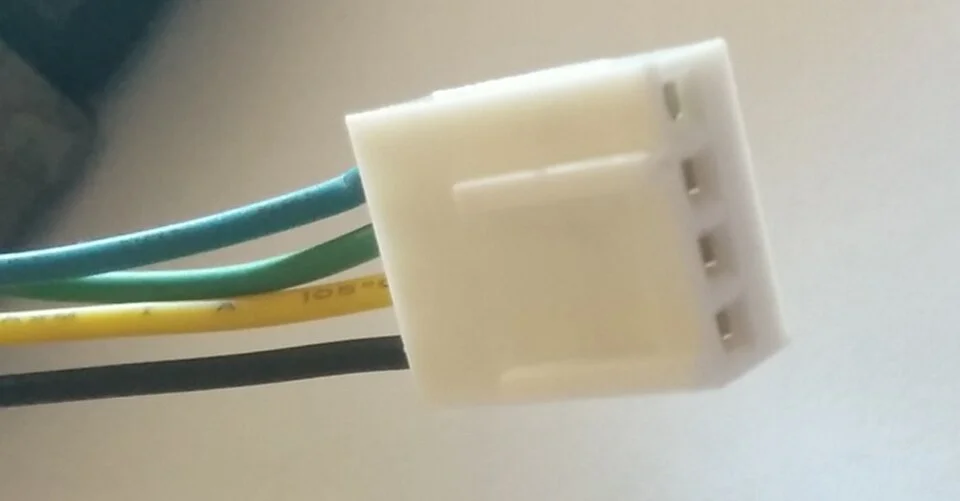
A four-wire fan can receive a speed command and report its actual pace separately. Counting revolutions tells a different story from measuring the air that moves through a case.
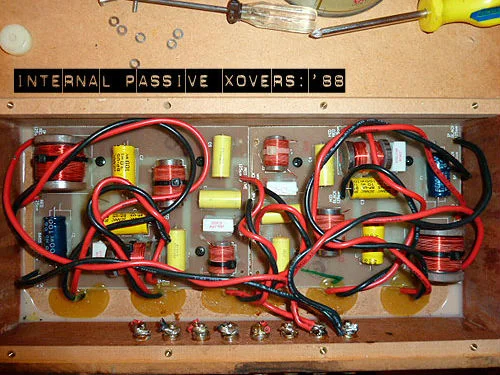
One cabinet can contain several speakers, each responsible for a range of sound. The audible transition depends on how their ranges meet in the room.
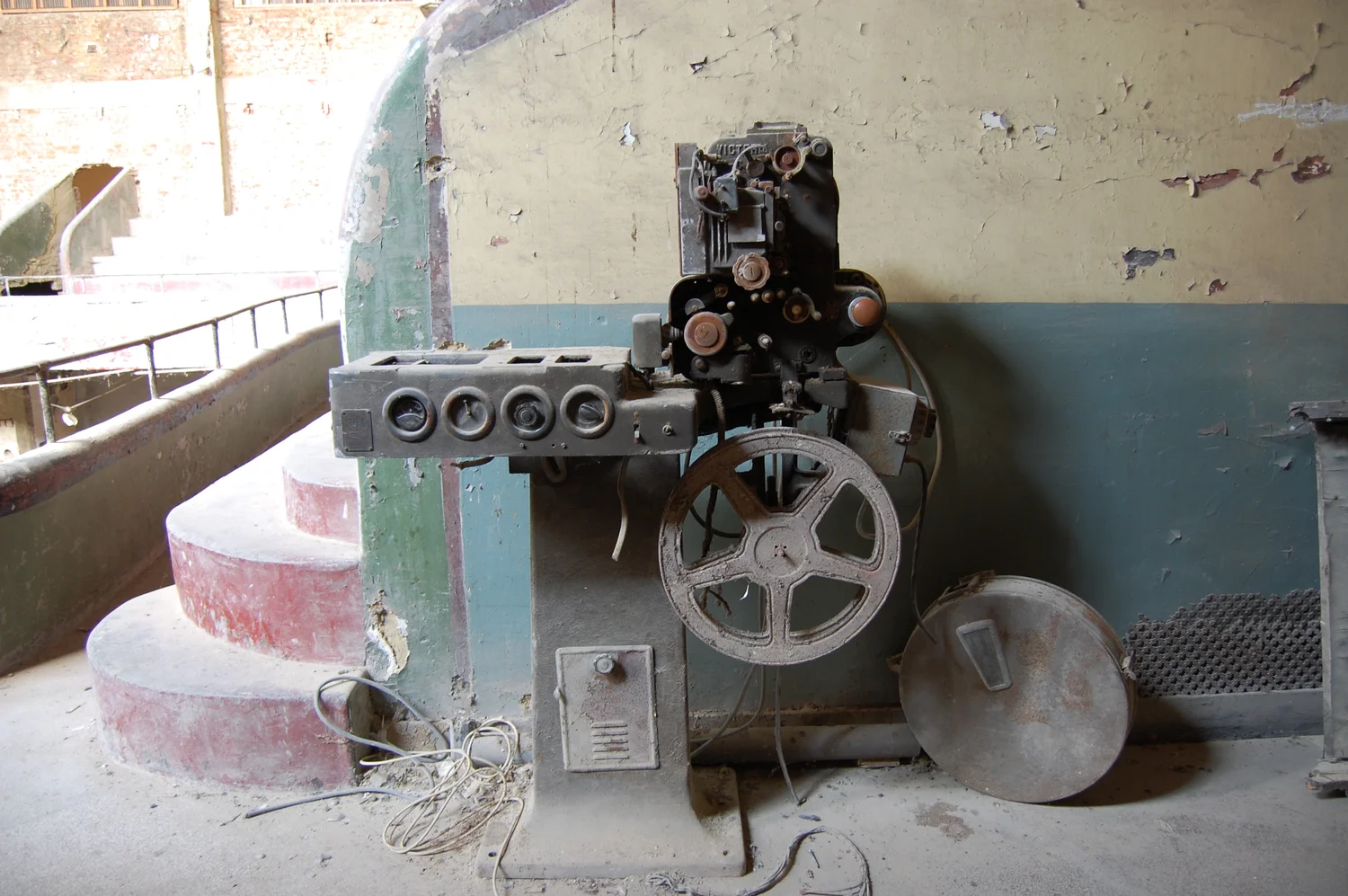
The darkest rectangle a projection system can display depends on the room and the screen as well as the machine. An example with the lights on makes the distinction clear.
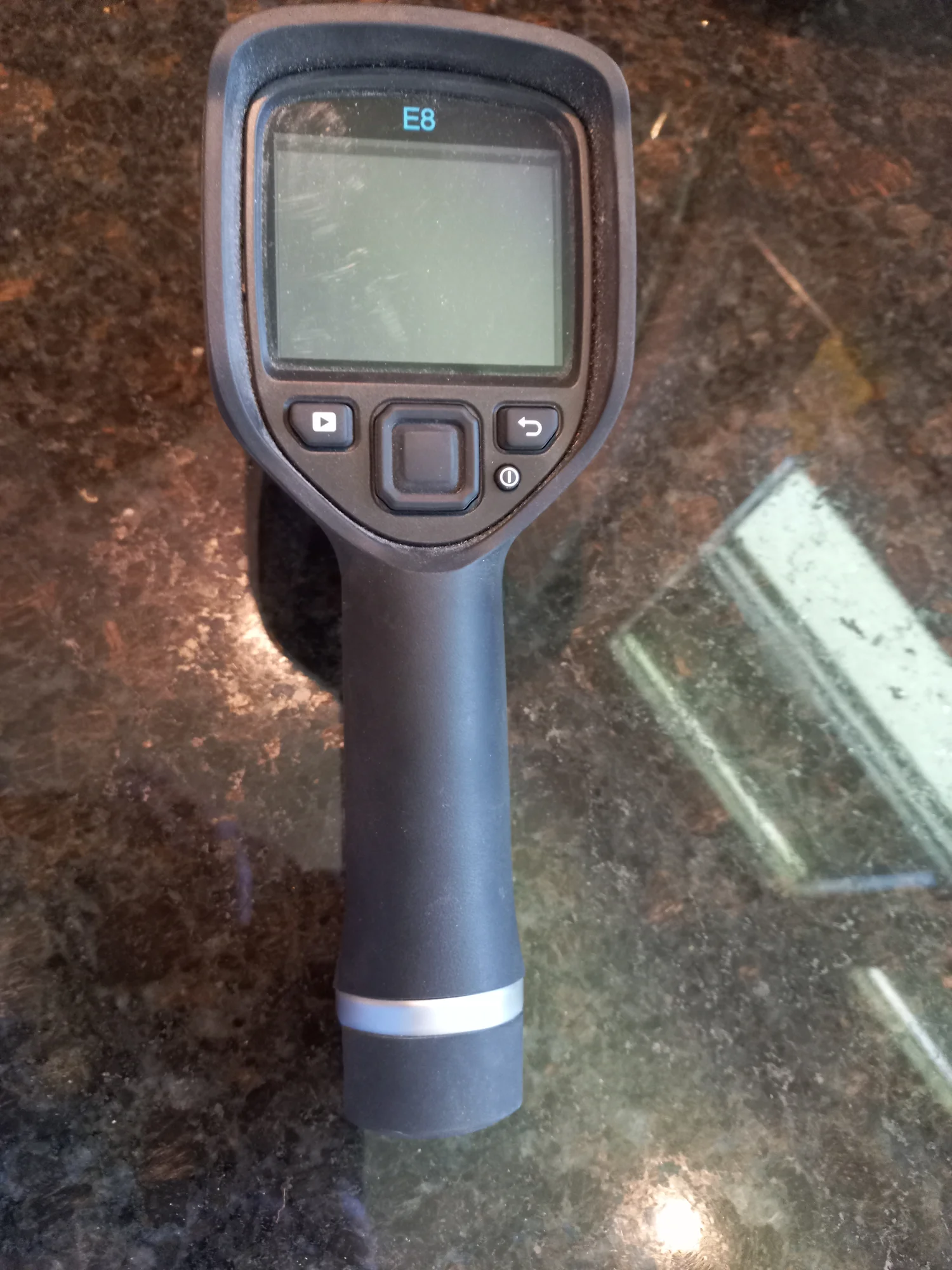
A shiny tray and a matte patch can share a temperature yet look nothing alike. The camera is responding to infrared radiation, some of it sent by the room.

A bent propeller in an untouched photograph shows what happens when a camera gives different parts of a frame different times.
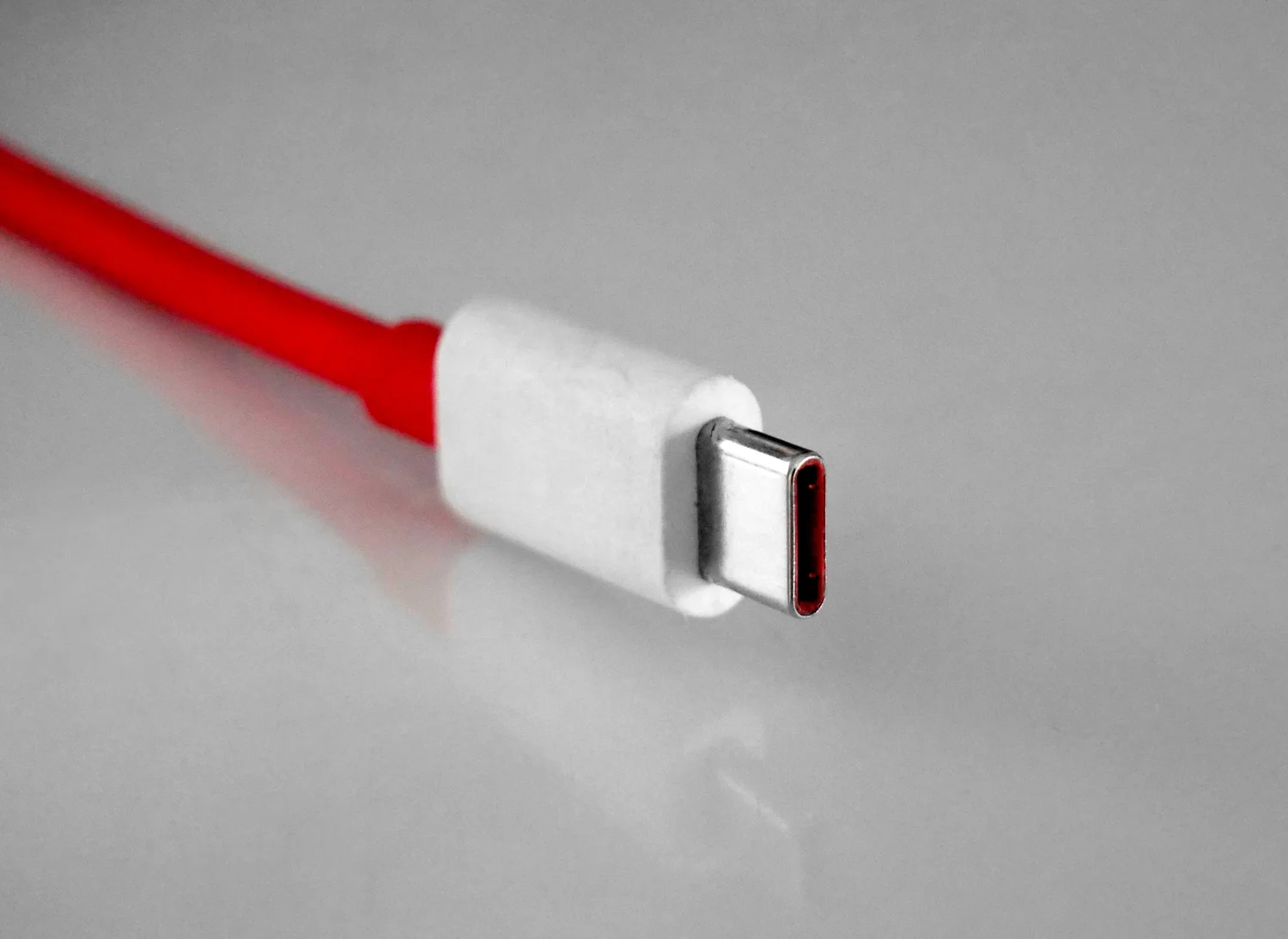
Two cables with the same plug can be rated for different jobs. Read the power, data and display specifications separately before blaming a device or replacing a dock.
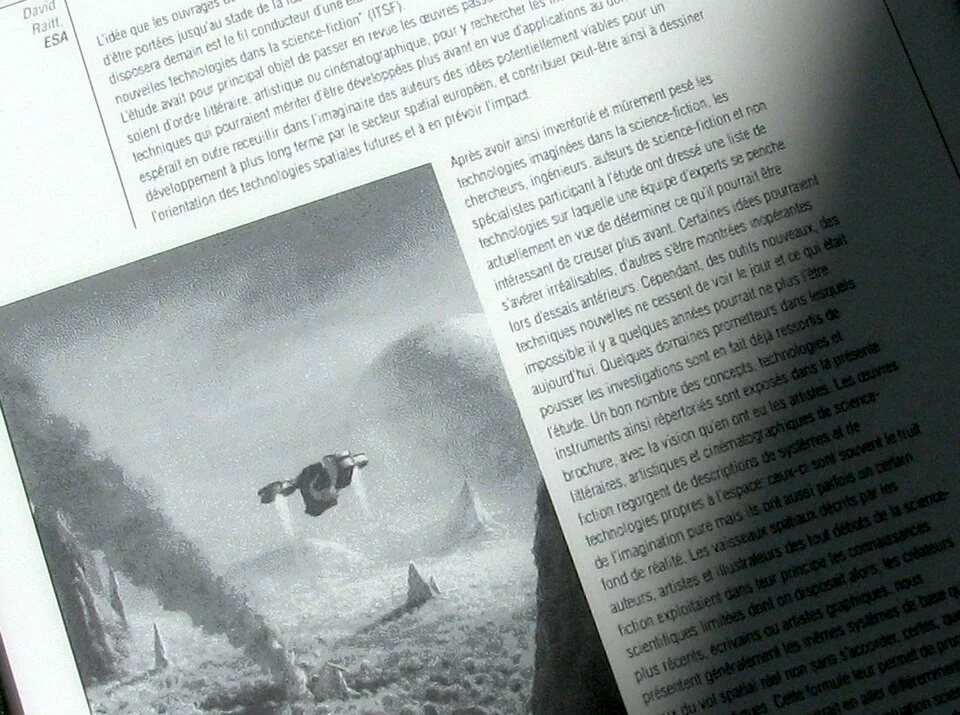
An electronic paper screen uses moving particles to change the view. The ability to hold that view without continually refreshing it shapes how an ereader feels and works.
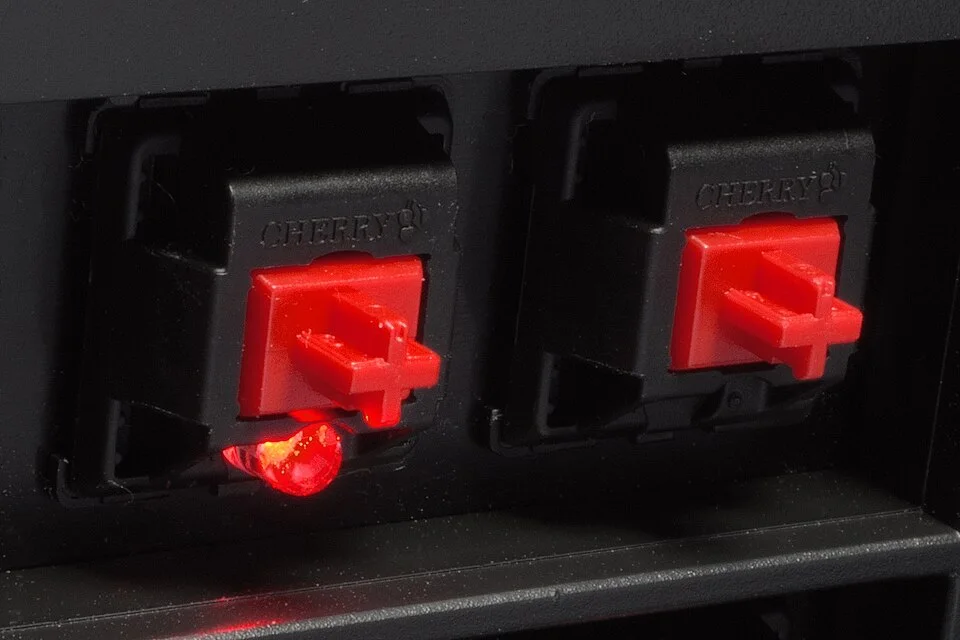
The electrical signal, tactile bump and sound from a keyboard can occur at different points in one keystroke. That explains why a switch’s colour tells you less than you might expect.
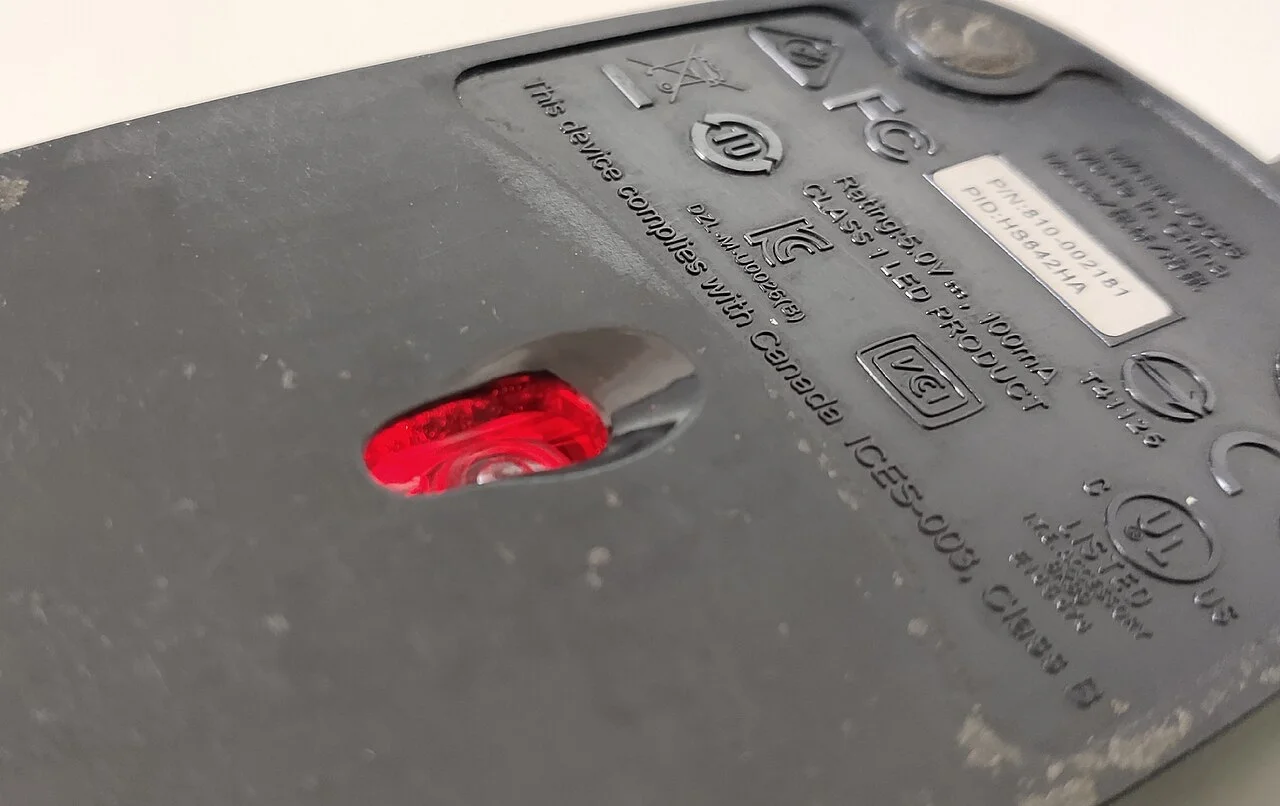
The mouse measures how the surface below it seems to move. Glass can deprive its sensor of useful detail, while software settings can make a different problem feel much the same.