Repair & reuse 7 min read
The Board That Starts Before the Monitor
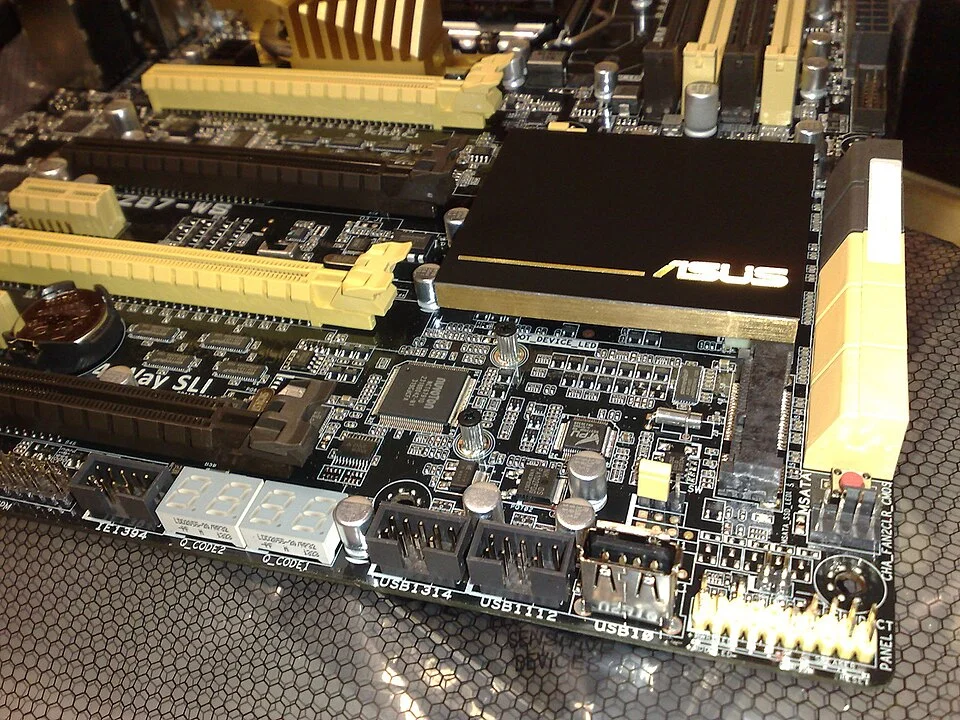
A desktop can be doing important work before there is anything to see on the screen. A light or small code on the motherboard can help establish which part of startup reached it.
 The technology edition
Observe what can be fixed, kept or passed on.
A desktop can be doing important work before there is anything to see on the screen. A light or small code on the motherboard can help establish which part of startup reached it.
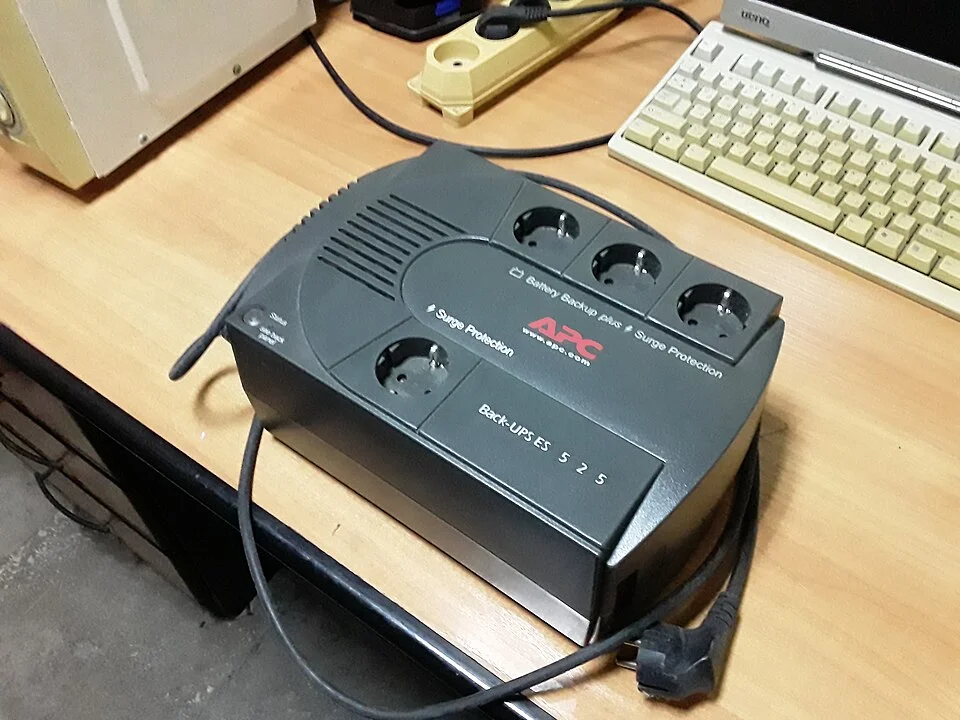
A battery backup handles the interval between a failing outlet and a device that needs more time. Its power rating, transfer behavior and runtime describe different parts of the result.
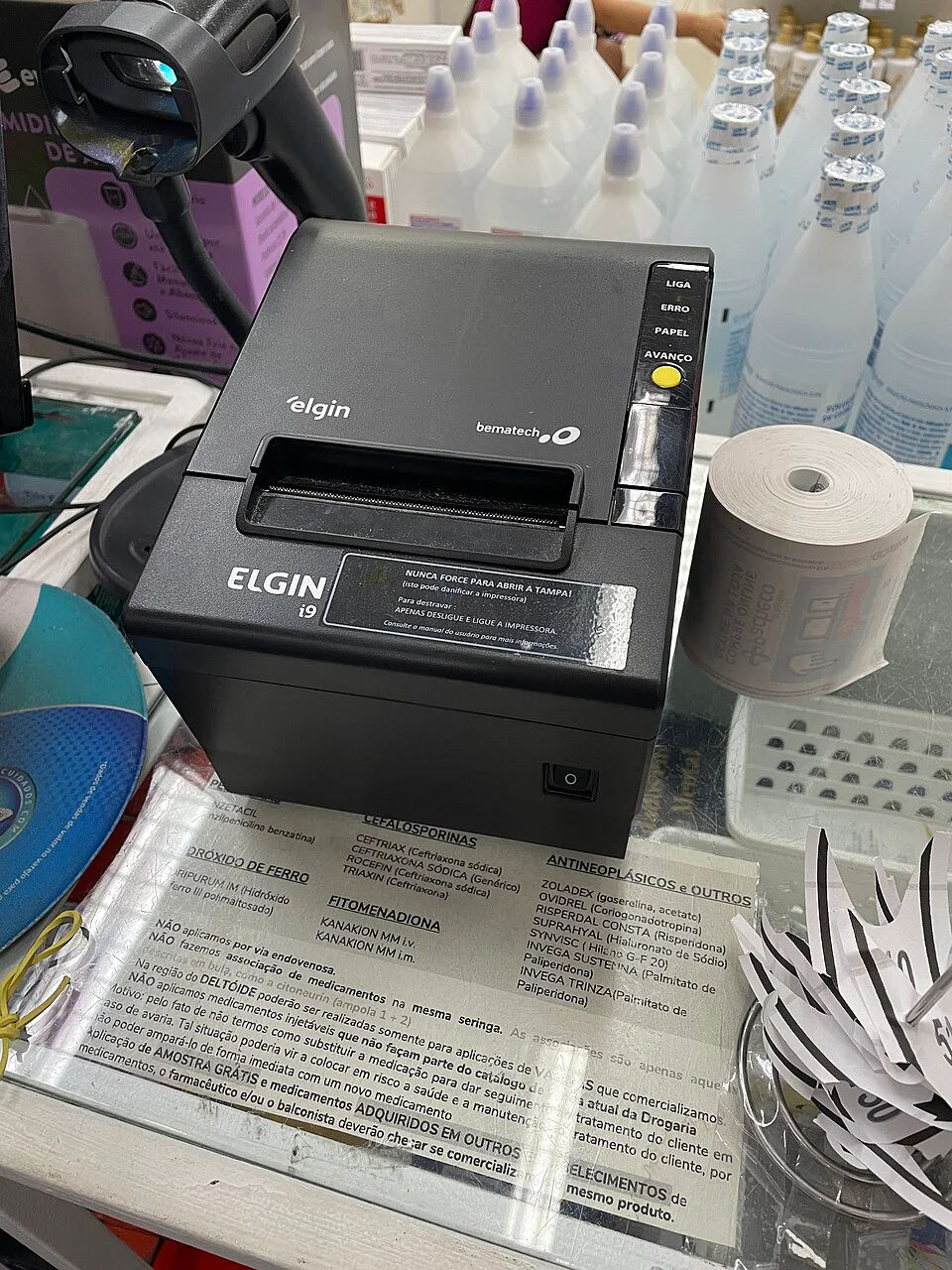
A direct thermal printer supplies heat rather than ink. The paper has a coating that darkens where the head touches it, so a wrong roll can look fine and leave the printer blank.
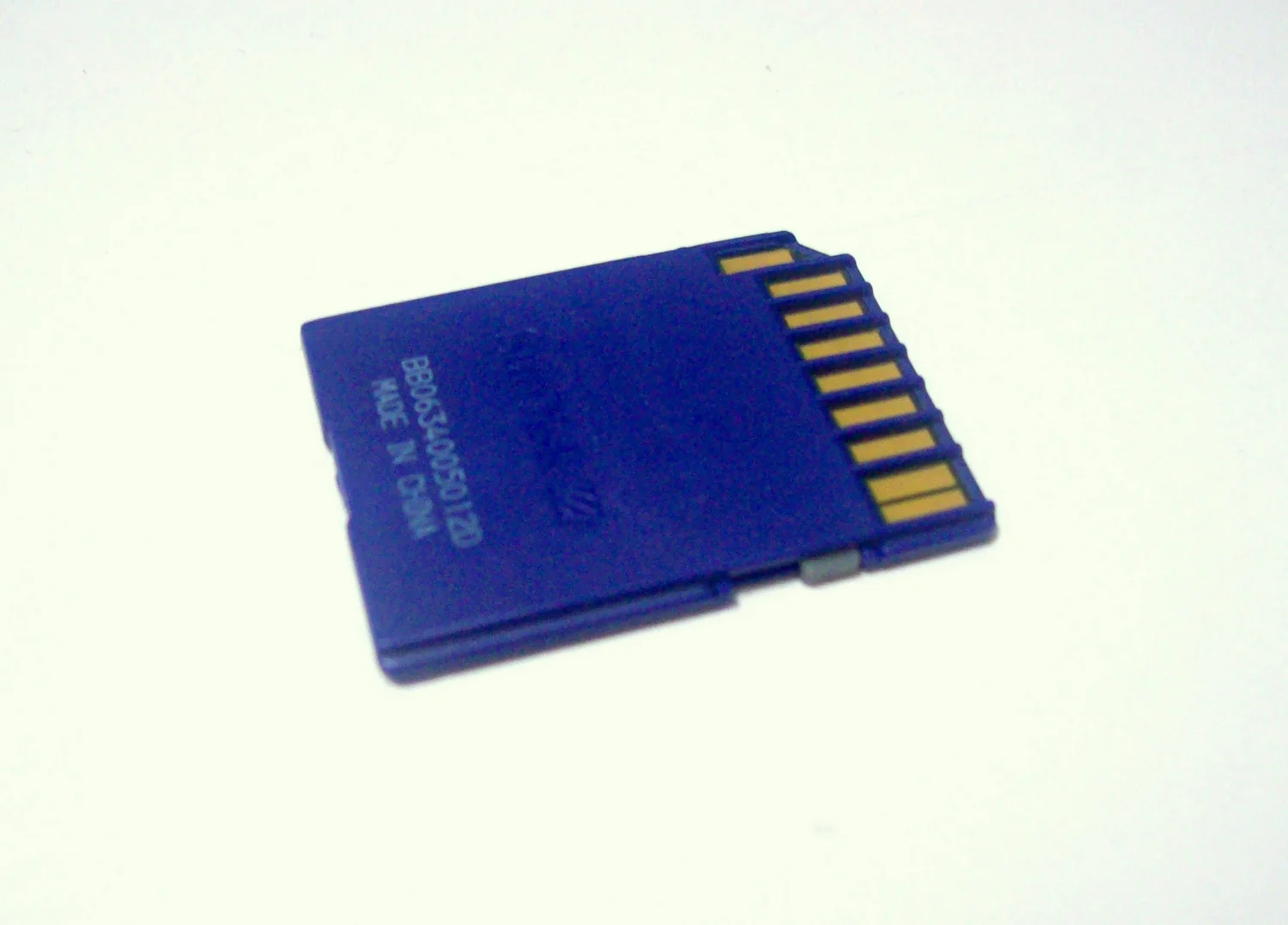
The slider on a full-size SD card is read by a compatible host. Its position, support in the reader and the reason a volume is read-only are separate things to check.
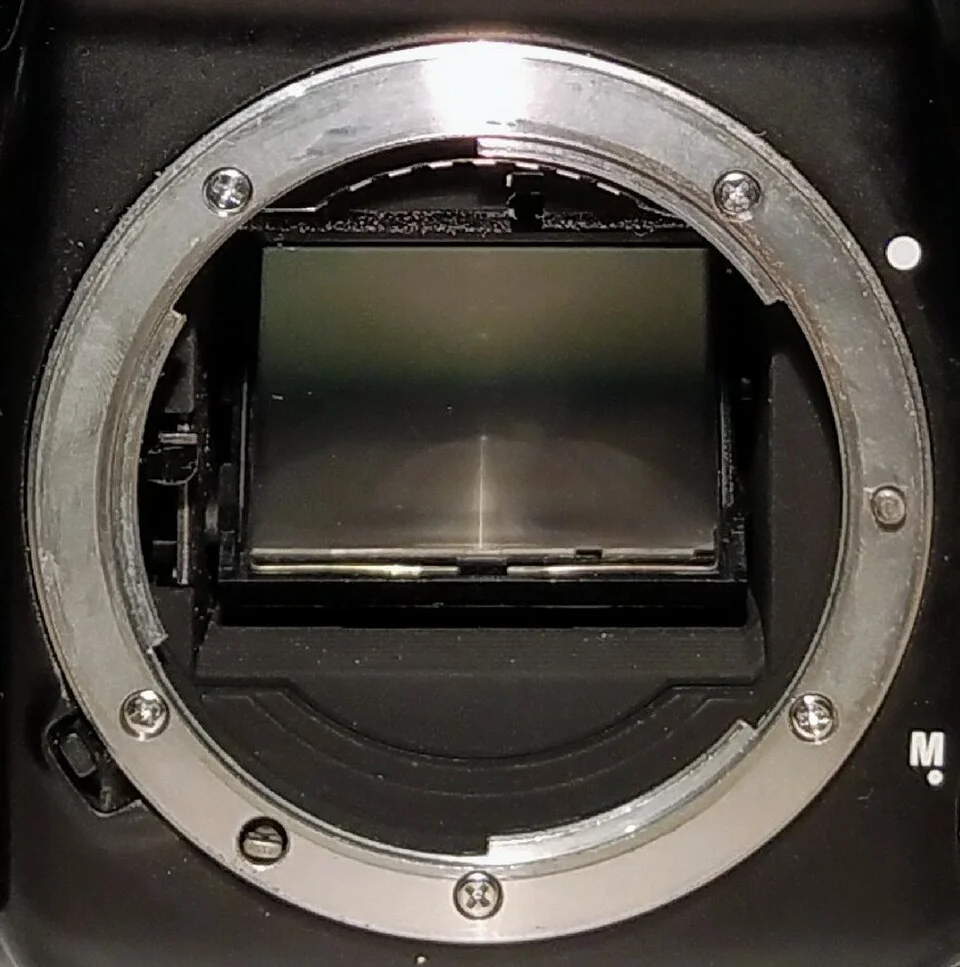
A bayonet mount has to support a lens and put it in a repeatable position. A match in diameter is only the first clue to whether a body, lens and adapter work together.
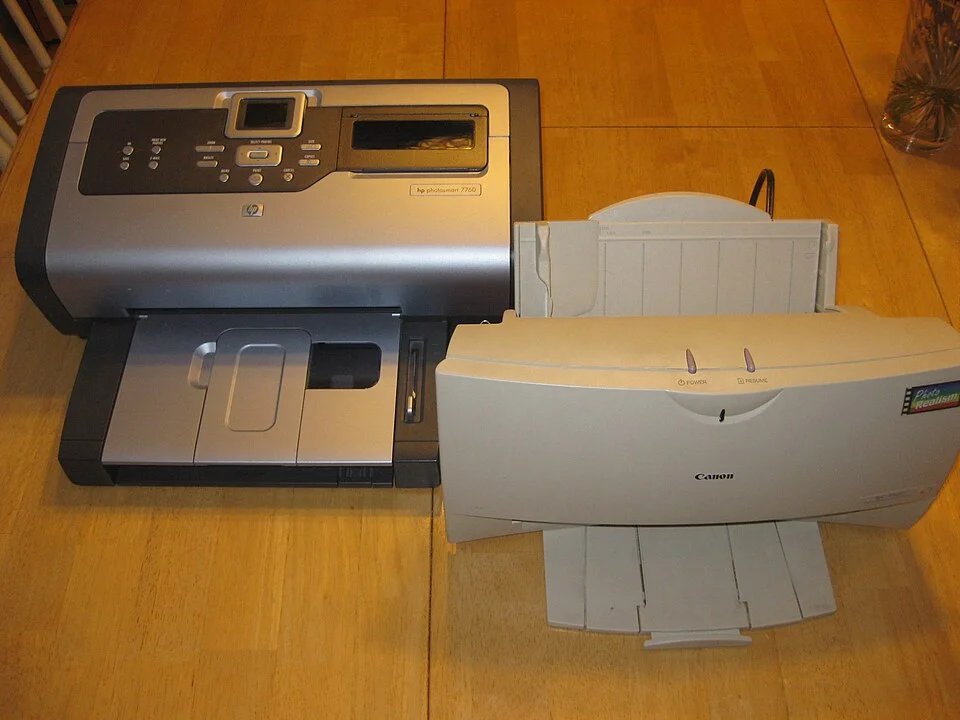
The thin strip behind a moving inkjet carriage helps it keep track of where it is. A skewed line on a page can come from that reference, the way the paper moves or several other causes.
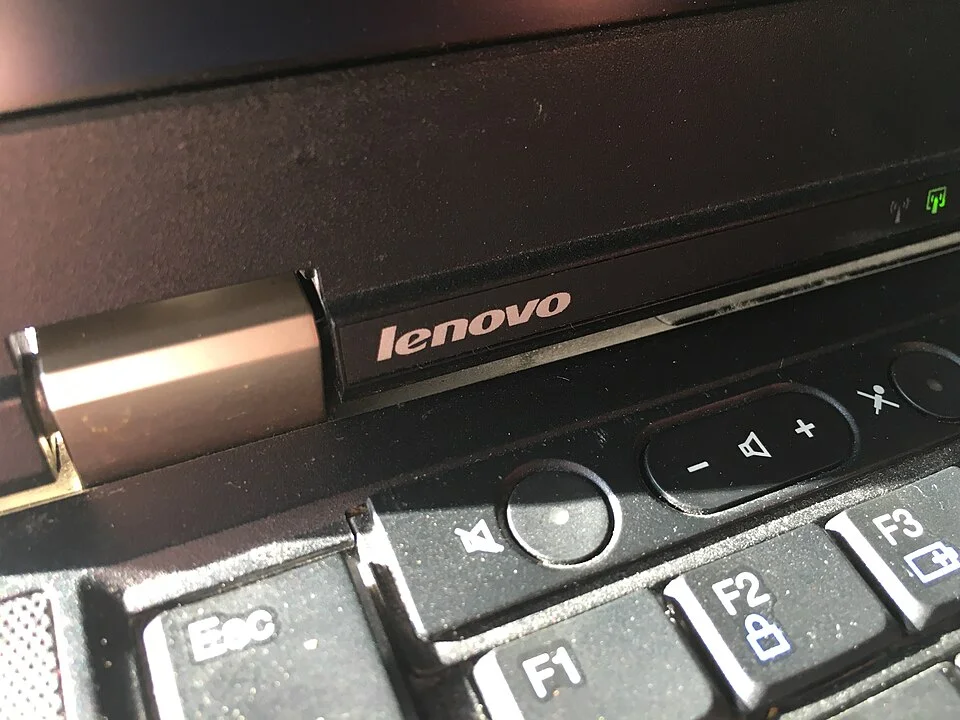
A laptop hinge has to resist a falling display without making the lid hard to move. A loose screen can come from the hinge, its mount or something else on the same axis.

A battery can still show a voltage when a device refuses to run. The limit that matters to the device is usually what the battery can provide while doing work.
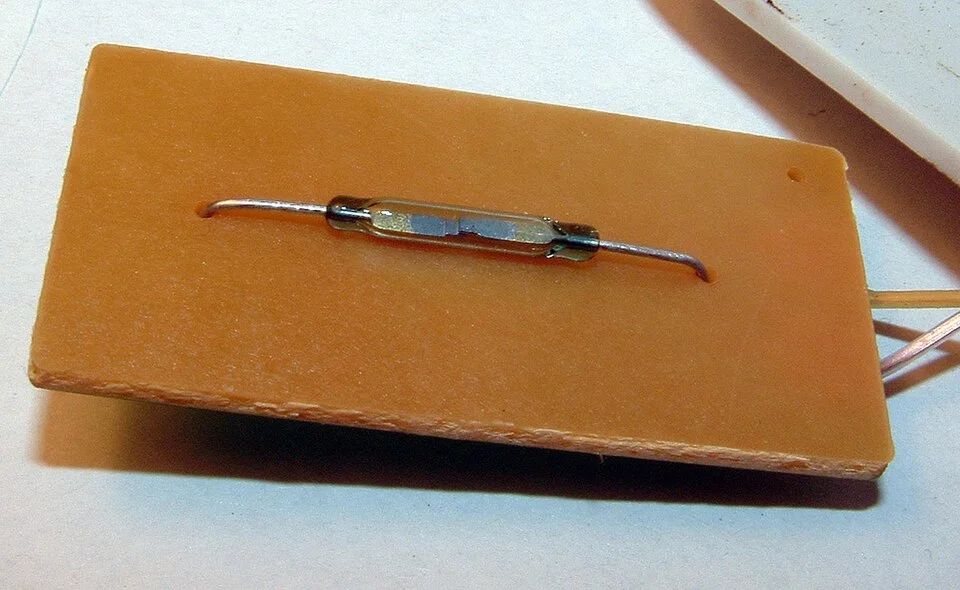
A glass tube can hold dry contacts that move when a nearby magnet changes position. A rain gauge gives the small switch a larger job: turning tips into countable events.
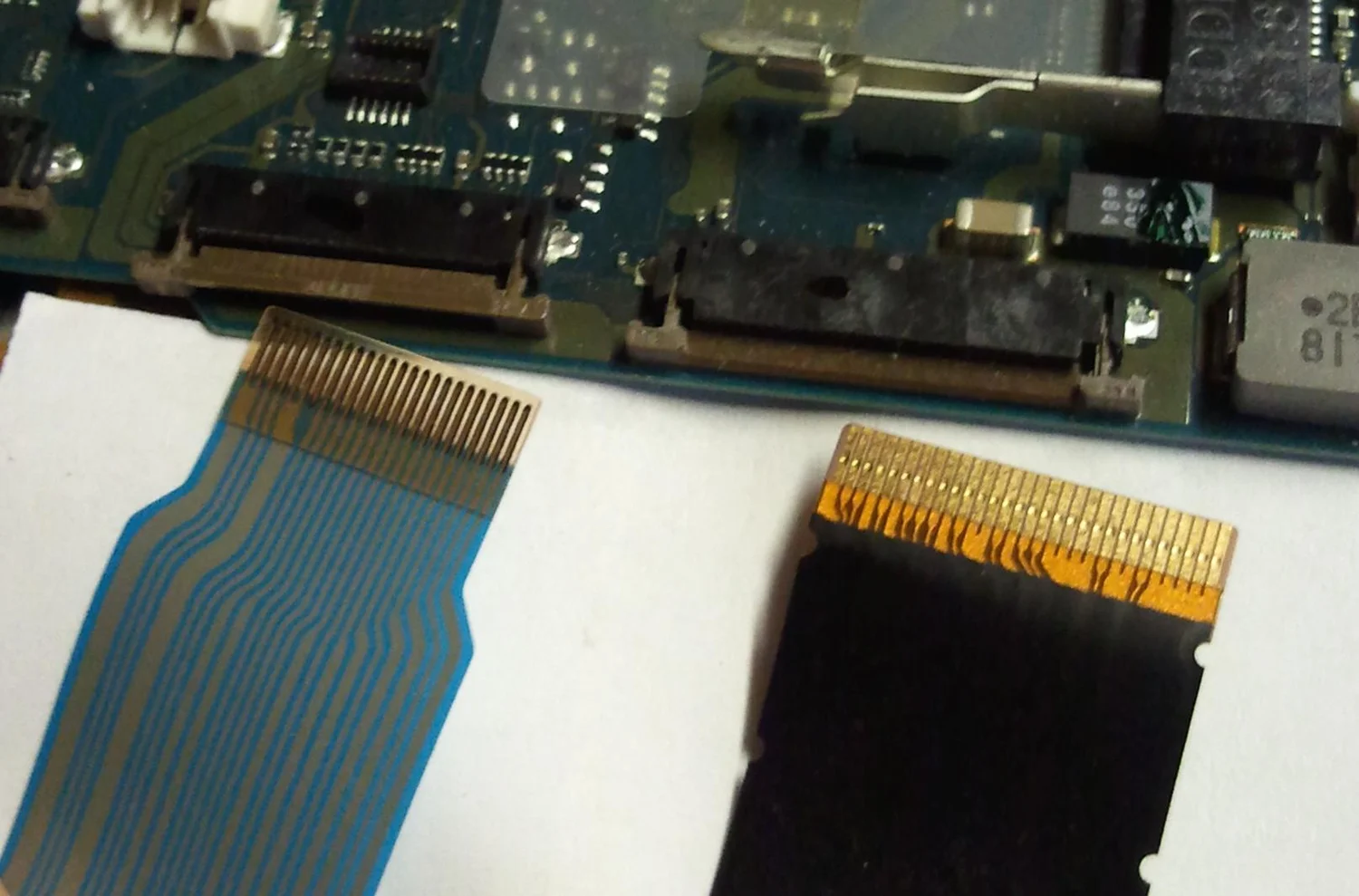
Some of the thinnest cables in a laptop depend on a tiny moving piece in the socket. Identifying what that piece does is more useful than judging the cable’s strength.
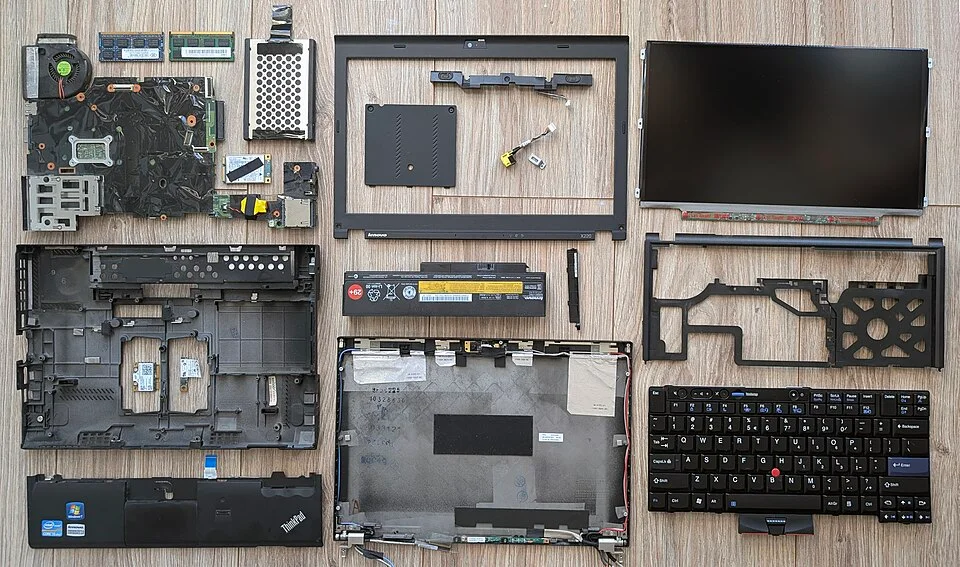
Similar-looking screws can hold different parts or reach different depths. A clear repair guide and a small piece of paper can prevent a frustrating mistake.