Why Wireless Audio Can Arrive Late
A short wireless distance can hide a long chain of processing. Sound may wait long enough for a person watching a screen to notice.
In this story 5 sections
A drummer in a small video raises one stick, brings it down and makes contact with the drum. On the speakers, the beat arrives close enough to the contact that nobody notices a gap. Switch to wireless headphones and, depending on the setup, you might see the stick land before you hear the sound. The headphones are not far away. In a room of that size, the physical movement of a radio signal is a very small part of anything you perceive as delay. Most of the work involved is being done at the ends of the trip and in the way they arrange what they send.
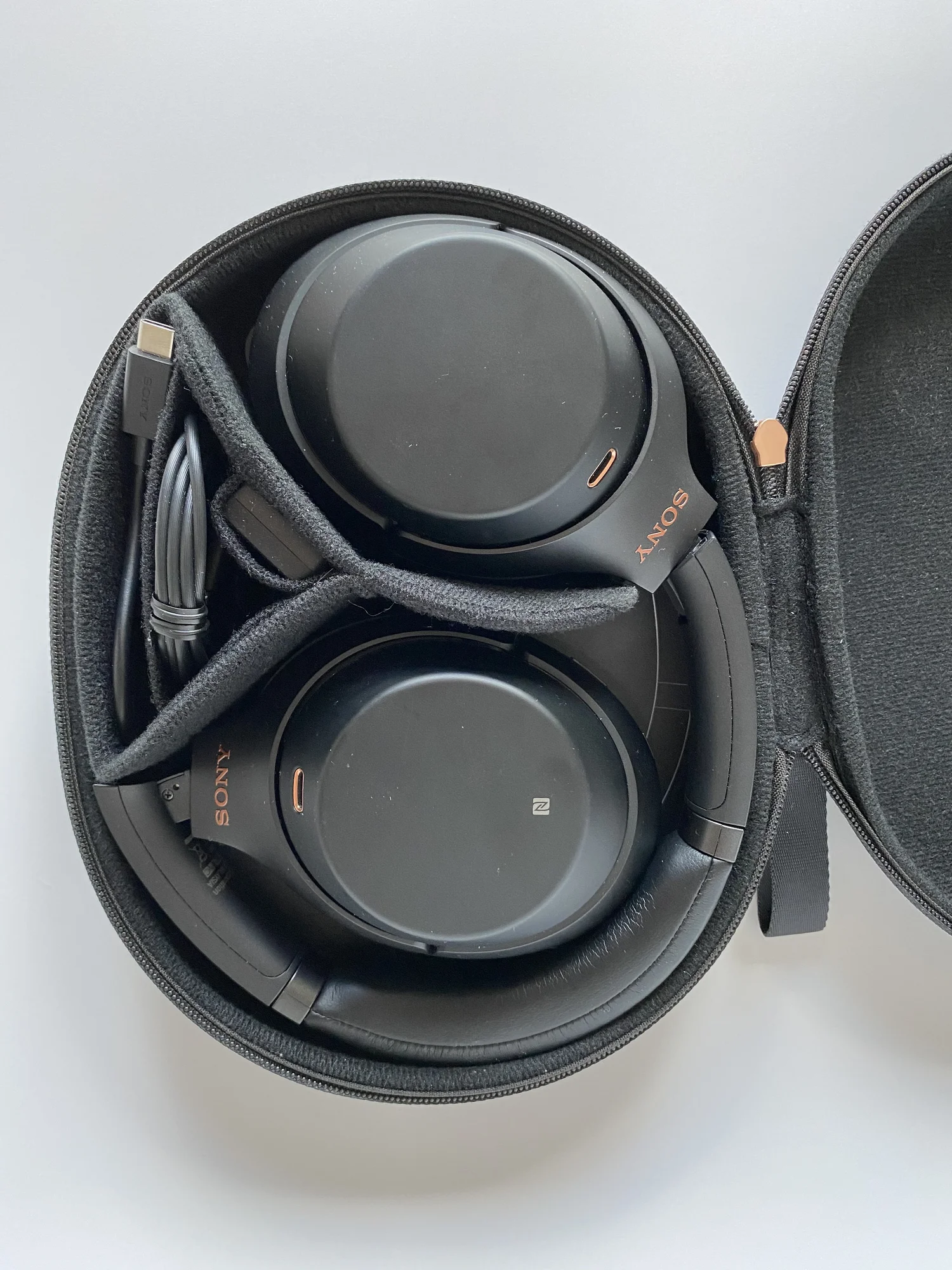
Bluetooth audio can reach a listener through several different designs, protocols and arrangements. The point of using it here is to follow a familiar path, not to say every headset has one fixed delay. The headphones in the picture represent one device that can receive wireless audio. Their image cannot establish what codec or settings a particular connection used. For an account of latency, start with the task and ask where each part of the recording or signal has to wait before it reaches you.
Follow a short part of the sound
Imagine a program playing digital audio. The material is available in small groups of samples. A codec may have to build or process a section before it can be transmitted under a particular scheme. A data path sends material between the devices. At the receiving end a device can allow for arrival times and decode the content before delivering audio to the equipment that makes sound. An audio processor may also change the signal. This is not one measure repeated several times. Each step can add its own delay and respond to the rest of the system.
A Bluetooth SIG description of LE Audio identifies multiple stages in such an account, including encoding, transport and rendering. It discusses latency in connection with the quality and timing the system needs to deliver. The useful general lesson is that the number associated with one encoding frame or one link is not the full delay a listener necessarily experiences. A path with a relatively small contribution in one stage can have larger contributions elsewhere. Check what both endpoints and the actual application are doing before declaring one number to be a property of the whole thing.
Give a fictional example a few round values. If an audio path involves 12 milliseconds gathering and processing relevant material, 18 milliseconds of transport and scheduling, and 30 milliseconds of waiting and rendering at the receiving side, an illustrative total could be 60 milliseconds if those portions simply followed one another. In a real device some work can overlap and conditions may change across a session. The example shows why replacing one part with a faster one can have less effect than people expect. Halving a small contribution does not halve the whole trip.
Why it helps to have a little audio waiting
A speaker needs to bring out its next sample close to when that sample is due. If the upstream material arrived with slightly uneven timing, the speaker might run out momentarily when trying to play every bit at once upon receipt. A buffer can keep some material ready ahead of time, giving the system a chance to ride out some variation. That reserve comes with a cost: a piece of sound can spend time waiting even if it arrived quickly. A large buffer can be helpful for a steady playback goal and awkward if the listener expects a reaction to a very recent action.
Place yourself at either end of an imagined uneven stream. A packet arrives a little later than the average. At the source this may not have required any surprising event in the audio it produced. At the receiving side the already queued sound may cover the delay, or the system may have to deal with missing or late material according to its design. Increasing the reserve can address one symptom while making the steady playback farther behind the event. Choosing how to use that time is a large part of the design problem.
The rate of radio transmission and the sense of waiting can therefore change relatively independently. A device with a high advertised link capability may use a substantial playback buffer for robustness. Another can behave differently depending on the mode it is in. Useful documentation distinguishes the resources or standards a device supports from the properties of the path it is using at this moment. An observation involving one pair of devices does not by itself apply to their possible connections with other sources.
A video can change what it shows, a game may have to react
The drum recording comes with an advantage: its picture and sound are already in files or streams. A player may be able to present them with a suitable relation if it knows or can estimate the delay of the audio path. It can delay video where appropriate or manage presentation in another way. The listener then experiences good synchronization even though the audio path is not instant. If you compare sync in two players, the difference could come from the way they handle presentation. An acceptable result cannot establish that the underlying wireless connection got faster.
Now imagine playing an instrument into a monitoring system or pressing a button in a game. The thing you are hearing depends on an event that just happened. A player cannot prepare every response in advance in the same way it can arrange a recording. Someone may notice delay immediately because they know when their hand moved. In a conversation there are further paths in both directions. The experience can involve speech being gathered and rendered at two ends. These uses ask for different compromises from quietly watching a prepared film.
This distinction helps explain why a set of headphones might be unremarkable in one task and disappointing in another. A person who says a video is in sync and another who says a headphone connection feels slow may both give fair accounts of their tasks. Compare which recording, input, player, device and mode were used. A figure quoted for a codec is one piece of the comparison. It has to fit the route between the action and the result you were trying to judge.
Is the symptom a lag or an interruption?
A steady delay puts almost every recognizable beat late by a similar amount. A gap removes or changes a small piece of what you hear. These can feel related in a frustrating listening session while providing very different evidence. A playback system can use timing and incomplete data in ways that produce either, so it helps first to describe which happens. If a clip’s beginning and end seem to agree but there are occasional short breaks between them, do not report the whole clip as a fixed number of milliseconds late.
Check a repeated event near the beginning and near the end. That makes it easier to distinguish a persistent offset from one whose magnitude grows or changes during the period of playback.
Describe the mismatch so someone can repeat it
Start with something whose timing is easy to see and hear. A drum stroke or another clean visible event repeated in a small clip works better than guessing where somebody should pronounce a word. Keep the application and output settings fixed while comparing two supported listening paths. Write down whether the sound appears consistently late, only sometimes, or in a certain player. These cases could involve different playback behavior. The comparison need not determine the exact number of milliseconds to identify a useful pattern.
If a personal checking tool records sound and image separately, it can introduce its own alignment and processing. A clip made by pointing a phone at a display and headphones is not automatically a calibrated instrument. Use it to illustrate an observation and describe how it was made. A proper objective latency measurement needs a method that states its start and end points, the known delays introduced by instruments and settings, and how repeat observations were compared. Without those details there is a useful limit to the precision one should report.
There is also a reason to check behavior after a mode changes. Headphones that use a microphone for a call, for example, may participate in a different part of a device’s audio system from silent playback. Do not infer a particular service or codec from a product photo or name. Note what the source and receiving equipment were doing under the conditions that matter. A difference you can repeat while changing one thing is more useful than a long list of plausible technologies that might be present.
Return to the drummer. If the beat appears when the stick touches the surface again, the immediate problem for that viewing setup may be solved. That does not erase the separate questions about buffer, processing and transport. It shows that several kinds of timing can be made to agree for one purpose. The short trip the sound took across the room was the part of the journey you could point to. The rest consists of decisions about when each part is ready to be played.