Where a Domain Name Gets Its Answer
Before loading a site, a device may ask the Domain Name System for an address. An answer can come from a nearby cache or from a chain of servers with different responsibilities.
In this story 5 sections
A library volunteer updates the address of a new catalogue server. In a fictional test, a laptop reaches the new service and a nearby phone still reaches the old one. Both people entered the same name. Before deciding which device is wrong, ask a narrower question: where did each device obtain the address it used? The answer may have been remembered from a previous visit. It may have come from a freshly consulted nameserver. Or it may not have been the part of the connection that differed at all.
The Domain Name System, or DNS, handles questions about names. A common use is to obtain an address for a name before a connection is made. Finding such an address is distinct from fetching a catalogue page from it. That distinction remains useful when both stages are hidden behind a single spinner. A resolved name is not a proof that an application finished loading.
The short request and the long route
An ordinary client does not have to contact every relevant DNS server directly. It can use a recursive resolver, which obtains an answer on the client's behalf if it does not already hold one it can use. ICANN's introductory resolution diagram shows the distinction between an initial request to a resolver and a sequence of contacts involving the hierarchy of authoritative servers. The client may see one reply even though the resolver had several places to look.
For a simplified example, follow a name under example.org. IANA reserves that name for documentation; the example concerns the structure of a lookup rather than a production service. On an uncached walk through the hierarchy, the resolver can begin by learning which servers handle the top level domain. A later exchange can identify servers responsible for a lower zone. Once the relevant authority is reached, it can provide the requested records or a response describing why they are not available. A referral does not necessarily supply the final address. It supplies a better place to continue asking.
The names in a reply do not all have the same relationship to the question. A response can name where responsibility has been delegated. It can contain an address or other requested data. It can indicate that the name does not exist or that the name lacks a particular record type. Reading every successful exchange as though it answered the same address question would erase useful differences. The DNS terms in RFC 9499 are a good companion to a simplified diagram for that reason.
Why yesterday's answer can be useful today
A resolver can keep data in a cache for later requests. That can save time and avoid many repeated contacts with the same servers. DNS records have a time to live, often shortened to TTL. It is a value used to determine how long cached data can normally be used. It says something about the life of a cached copy, not how long a service has existed or whether a device will keep its current internet connection for that interval.
Take a hypothetical record with a TTL of nine hundred seconds. One resolver obtains the old answer at ten o'clock. Another has no copy. If the published data changes at 10:04, the second resolver might see the new answer on its next uncached lookup. The first may keep using its earlier copy within its cache lifetime. The example is about how different observations are possible, not a guaranteed deadline for every resolver, browser or deployment. Both a name's delegation information and its individual records can have their own timing.
People sometimes use the word propagation as though a fresh value were pushed to each device in turn. Caching is a more helpful starting point for many ordinary changes. A cached earlier answer can remain usable for its allowed period. Another lookup can obtain a newer value after looking again. If the published answer is inconsistent at the authorities themselves, that is a different situation. Waiting without looking at what was published will not tell you which explanation applies.
The type of question can change the result
A domain name is only one part of the display. DNS queries also specify a record type. An IPv4 address and an IPv6 address have different record types. Other records serve different purposes, such as reaching a mail service or describing an alias. Not finding one type at a name is not necessarily the same as finding that the name does not exist. The distinction can matter when two otherwise similar devices have different ways of making a connection.
For a familiar analogy, consider two people asking the same desk for information about a building. One wants the entrance address; the other wants to know which office accepts deliveries. A useful desk can have an answer to one question without having an answer to the other. DNS is not a general directory of arbitrary building facts, but the example keeps the name apart from the type requested. An issue report that contains both is easier to investigate.
Aliases also explain why one name can point the resolution process toward another. The name typed into the address bar need not be the name that directly holds a final address record. A published alias is a relationship between names, not a promise that the browser's visible URL will change immediately. Web redirects take place at a different stage. Keeping the two mechanisms separate is often enough to prevent an operator from investigating the wrong service.
Look at the part that really failed
A browser failure can show up before or after an address is obtained. If an address lookup failed, a note about the device, name and approximate time may let support staff check the appropriate resolver and published records. If a web server responded with a missing page or a distinct message, name resolution or a cached address might already have taken the user somewhere. A screenshot showing the exact message is more useful than the description the DNS is broken. The symptom identifies where investigation might reasonably start.
In the fictional catalogue test, the next step is to compare the two observed endpoints and the ways the devices obtained their settings. One could be on a guest network or using a browser configured differently. A device could also have a connection already open to an earlier endpoint. It is normally sound to begin with simple observations, such as whether a fresh connection shows the same problem and whether the names really match, before asserting an explanation. None of that requires sending users to random resolver services or changing the settings of equipment they do not administer.
The detail that often breaks a comparison is an omitted time. If one person tried immediately after a published change and the other tried the next morning, different answers might simply reflect two distinct states. Giving times with a timezone, the exact hostname involved and the source of an observation keeps the comparison useful. The published record at the point of a later investigation need not be the record somebody used when making an earlier connection.
One request at the user's end can represent many kinds of work
There is a useful distinction between a reply that gives no requested record and a lookup that did not finish. Suppose an authority answers that a documentation name has no record of a specified type. That conveys something about its data. If the resolver instead receives no useful reply before the lookup ends, it has not established the same fact. A support note should keep the two apart. The first calls for checking whether the record was expected to exist. The second leaves open questions about the path taken to obtain an answer.
The same principle applies when comparing fresh and cached answers. A test run from a machine already used all morning can be a good account of what that machine sees. A test made from another environment may answer a question about what a new visitor sees. The two should be recorded as separate observations. Simply rerunning the same lookup several times does not necessarily cause an earlier answer to vanish or make the results independent. As with the choice of queried type, the test conditions are part of the result.
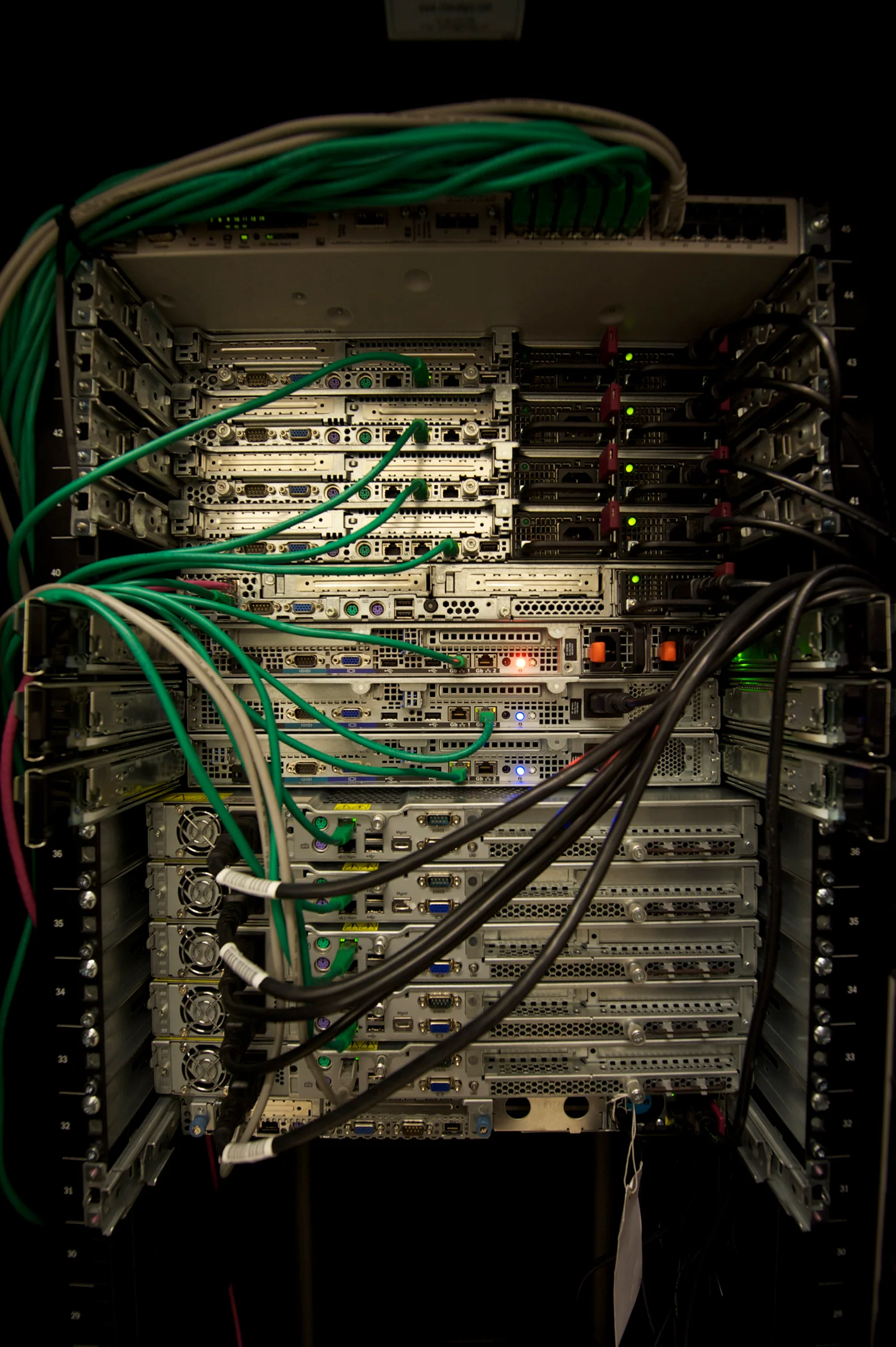
Physical servers such as those in the cover photo can support many unrelated functions. The image is a view of hardware, not a diagram of which DNS institution or resolver does a particular job. Authority in the DNS has to do with a delegated role for data. The server used for recursive lookups has a different job, even though either can run on a machine that looks ordinary in a rack. The difference appears in the path of a query, not in the colour of the cables.
A person typing a name should not need to see all that work every time. The success of caching and delegation is partly that a familiar name can remain convenient while several organisations handle different parts of the information behind it. For somebody explaining a change, however, keeping those parts visible is valuable. Name the question, note the answer and say where and when it was obtained. Doing those three things makes it possible to distinguish the name from the address and the cached reply from a fresh one.